
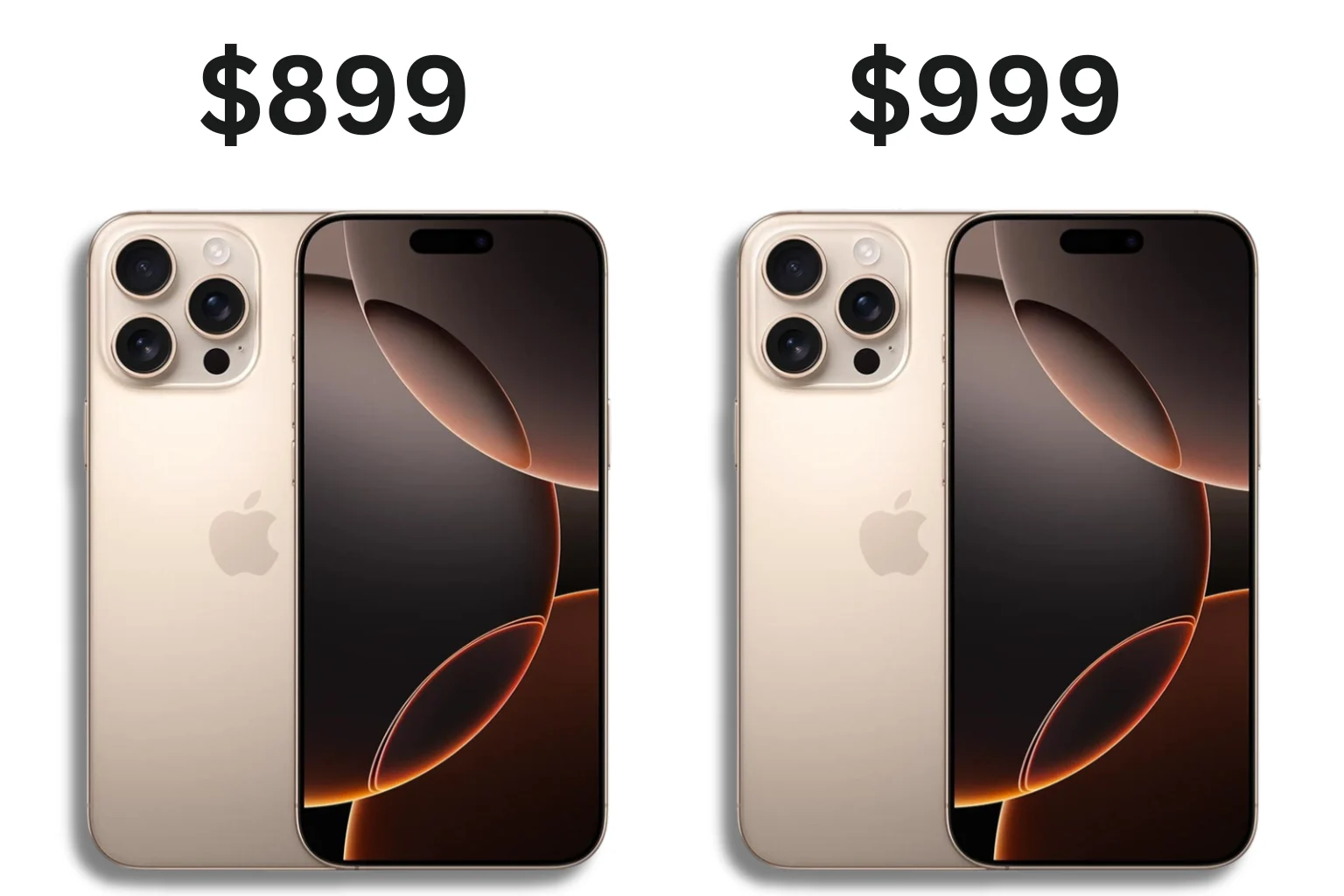
Walk through any mobile market in Kathmandu and you’ll notice two prices for the same phone. The official price. And the other price, usually NPR 5,000 to NPR 20,000 lower, with the seller assuring you it’s genuine, just imported differently.
That different import is the grey market. And before you decide to save that money, here’s exactly what you’re getting into.
What is a grey market phone in Nepal
A grey market phone is a genuine phone, not fake, not refurbished. It’s the same hardware the brand sells officially. But it entered Nepal without going through the authorized import channel, which means it skipped customs duties, VAT, and the official distributor entirely.
Nepal charges 30% customs duty and 13% VAT on imported smartphones. Grey market phones bypass most or all of this. That’s where the price difference comes from. The phone is real. The savings come from tax evasion, not from the phone being different hardware.
Most grey market phones in Nepal come from India, Dubai, Hong Kong, or the US. Some are brought in by individuals returning from abroad. Many are imported in bulk through Nepal’s open border with India, where enforcement is inconsistent.
How much cheaper are grey market phones actually
The gap varies by phone type and origin. For budget Android phones under NPR 30,000, the grey market discount is typically NPR 2,000 to NPR 5,000. For mid-range phones between NPR 30,000 and NPR 80,000, you might save NPR 5,000 to NPR 15,000. For iPhones and flagship Androids above NPR 100,000, grey market prices can be NPR 15,000 to NPR 30,000 lower than official prices.
For iPhones specifically, grey market prices run about 10 to 18 percent below official Nepal prices. On an iPhone 17 Pro at NPR 200,000, that’s NPR 20,000 to NPR 36,000 in savings. That’s real money and it’s why the grey market exists and keeps growing.
What you actually lose buying grey market
No official warranty in Nepal
This is the biggest risk and the one most buyers underestimate. Official phones come with 1 year of manufacturer warranty handled by the Nepal distributor. If your screen develops an issue, your charging port stops working, or the phone has a manufacturing defect, you take it to the authorized service center and they fix it for free or at low cost.
Grey market phones get none of this. Authorized service centers in Nepal will service grey market phones but they won’t honor warranty claims for them. You pay full price for every repair. A screen replacement for a mid-range phone can cost NPR 8,000 to NPR 15,000. For a flagship, NPR 25,000 to NPR 50,000. If your grey market phone develops a defect in month 3, the NPR 10,000 you saved at purchase disappears in a single repair bill.
Possible network lock issues with MDMS
Nepal implemented the Mobile Device Management System (MDMS) in November 2023 to track smartphones entering the country and verify tax compliance. When active, MDMS can block unregistered phones from connecting to Nepal’s mobile networks, meaning no calls, no data, and no SMS.
As of 2026, MDMS is technically not fully operational. The system has faced repeated delays due to procurement issues and corruption investigations involving former NTA officials. CIAA is investigating 21 people including two former NTA chairpersons on corruption charges related to MDMS equipment purchases. So grey market phones currently function normally on Nepal networks.
But that can change. Government officials have periodically discussed reactivating the system with stricter enforcement. If MDMS becomes fully operational after you’ve purchased a grey market phone, your device could face network blocking. You’d have a phone that connects to WiFi but can’t make calls or use mobile data in Nepal without going through a registration process that may or may not be straightforward.
Buying an official phone today eliminates this risk entirely. It’s already registered in the system and won’t face blocking regardless of what happens with MDMS enforcement.
No VAT bill, which creates hidden problems
Official phones come with a proper VAT bill. This document proves legal purchase and is required for warranty claims, insurance claims, and resale documentation. Grey market phones either come with no bill, a foreign receipt, or a fabricated local receipt.
When you try to sell a grey market phone later, buyers know the difference. Official phones with VAT bills and original boxes sell for more on the secondhand market. Grey market phones sell for less because buyers apply a discount for the documentation gap. The NPR 8,000 you saved buying grey can cost you NPR 8,000 again when you try to sell.
Potential hardware differences
Not all variants of the same phone are identical. Samsung, Xiaomi, and other brands ship different chipsets to different regions. The Samsung Galaxy S-series sold in the US uses Snapdragon. The same phone in Nepal uses Exynos. Some Redmi models sold in India ship with different sensors or software than the Nepal variant.
When you buy grey market, you’re getting whatever variant the seller imported. That could be the Indian version, the Chinese version, or the US version. Each may have slightly different camera software, different network band support, or different pre-installed software. The hardware performance difference is usually minor but the network band issue is not. A phone optimized for US 5G bands may not support all Nepal 4G or 5G bands, affecting signal quality.
Software and update complications
Some grey market phones, particularly from China, ship with software that isn’t intended for the Nepal market. Chinese ROM versions of Xiaomi, Realme, and Vivo phones have different pre-installed apps, different region locks on certain features, and sometimes receive updates later than global versions.
Getting the global ROM onto a Chinese grey market phone often requires technical knowledge that most buyers don’t have. And if you manage to install it incorrectly, you can brick the device with no warranty to fall back on.
When grey market actually makes sense
Be honest, the grey market isn’t always the wrong choice. There are situations where it makes genuine sense.
If a phone you want simply isn’t available in Nepal officially, grey market is your only option. Some phones never launch here. The Redmi Note 13 Pro 5G is one example. Xiaomi’s Poco series has models that never officially reach Nepal. If you want these, grey market is the only path.
If you’re buying a flagship phone above NPR 150,000 and the grey market discount is NPR 20,000 to NPR 30,000, and you’re confident in the seller’s reputation, and you have some technical knowledge to handle potential issues, the savings might justify the risk. Some buyers in this segment accept the trade-off knowingly.
If you’re buying a cheap second phone as a backup device under NPR 15,000 and you understand it has no warranty, the low absolute cost of the phone means the warranty risk is proportionally smaller.
How to tell if a phone is official or grey market
Check for the MPIA hologram sticker on the box. The Mobile Phone Importers’ Association hologram is on every officially imported phone box in Nepal. No hologram almost certainly means grey market.
Ask for a VAT bill at the point of purchase. An official seller will provide one. A grey market seller either won’t have one or will offer a suspicious substitute.
Check the IMEI. Every phone has an IMEI number. You can verify it on the NTA MDMS portal at mdms.nta.gov.np. Enter the IMEI and check if the device is registered in Nepal’s system. An officially imported phone should show as registered.
Check the model number in the phone’s settings. It should match the Nepal variant. If the model number shows an Indian (IN), Chinese (CN), or US suffix rather than a global or Nepal-specific code, it’s likely grey market.
The real cost calculation
Before deciding, do this math for the specific phone you’re considering.
Grey market saving: NPR 10,000 (example)
Cost of one screen repair without warranty: NPR 10,000 to NPR 20,000
Resale value loss versus official phone: NPR 5,000 to NPR 10,000
Risk of MDMS blocking (if enforcement happens): full phone loss or registration fee
If one repair wipes out your savings, the grey market wasn’t cheaper. It was a deferred payment on a risk you chose to accept.
For most Nepal buyers, especially students and people on tight budgets who can’t absorb a surprise NPR 12,000 repair bill, official phones are the safer financial decision even at the higher upfront price. For buyers with financial flexibility who understand the risks and are buying a phone that isn’t officially available here, grey market is a legitimate choice made with eyes open.
The honest bottom line
Grey market phones in Nepal are real phones. The savings are real. The risks are also real. The warranty gap is the most immediate concern. MDMS enforcement is the long-term concern. Resale value loss is the quiet concern most people don’t calculate until they try to sell.
If you’re buying official, look for the MPIA hologram, get a VAT bill, and check the IMEI on the NTA portal. If you’re buying grey market, go in knowing exactly what you’re giving up and make sure the savings justify it for your specific situation.


