
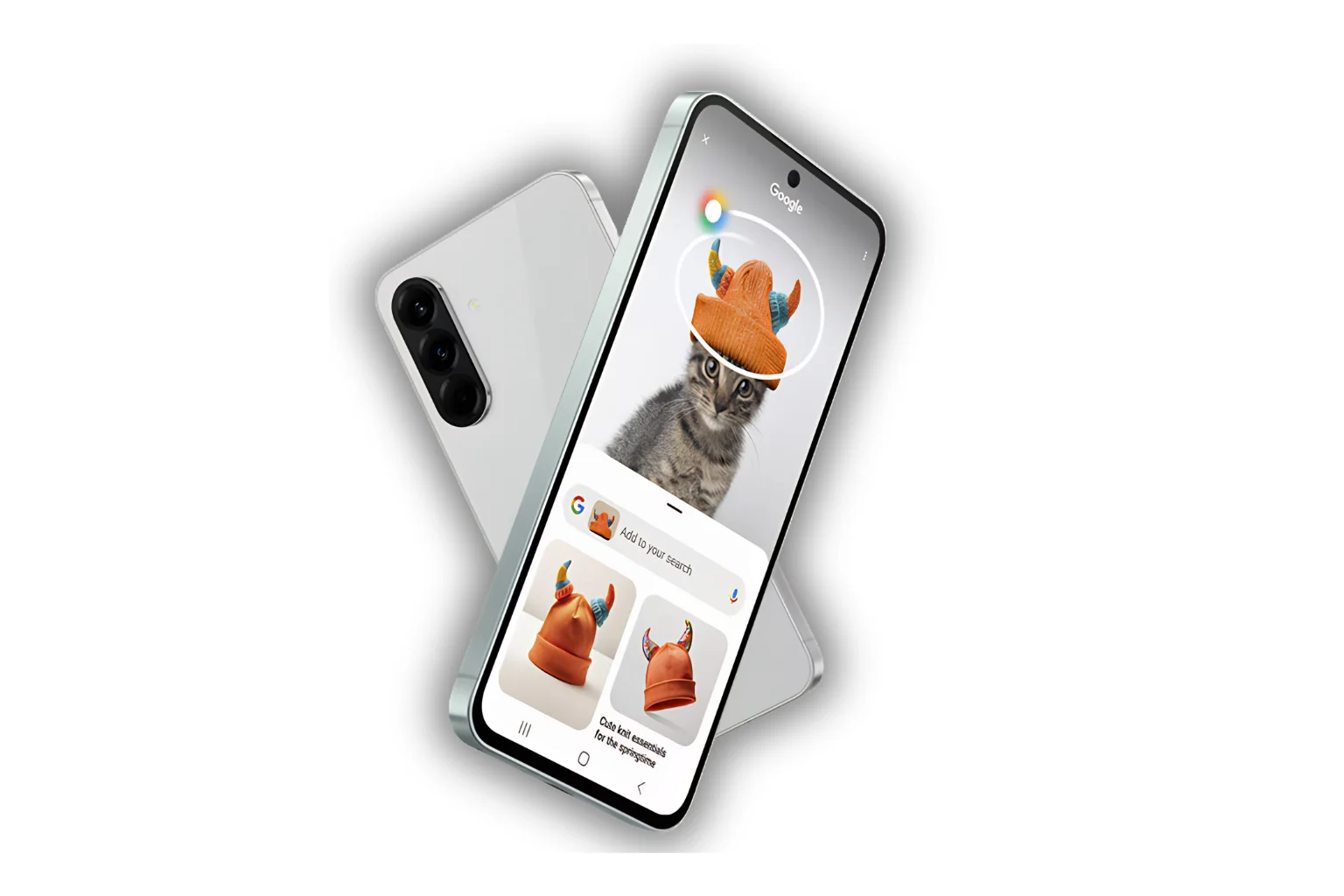
The Samsung Galaxy A56 is one of the highest selling mid-range phones in Nepal right now. It’s got 6 years of software updates, a solid AMOLED display, and Samsung’s trusted brand name. On paper, it looks like a safe buy.
But real users in Nepal have flagged some problems that most review articles don’t mention. Not dealbreakers for everyone, but things you should know before spending NPR 71,999.
1. Nepal is treated like a second-class market by Samsung
This one stings. Samsung’s Good Lock and Fine Lock apps, which let you deeply customize One UI, are blocked in Nepal. These aren’t minor features. Good Lock is one of the main reasons Samsung users prefer One UI over other skins. The ability to customize lock screens, quick panel, multitasking, and system animations is tied entirely to Good Lock.
Nepal doesn’t get it. A real Samsung user in Nepal posted on Samsung’s own community forum, “I’m rocking the latest phone with the latest update, and I still get treated like a second-class user. What’s the logic behind that? Why release these apps globally but block Nepal? We’re customers too. We paid full price for these devices.”
That’s not a fringe complaint. Multiple Nepal users have posted the same frustration across Samsung’s community pages. If you’re buying an A56 specifically for One UI’s customization depth, you’ll hit this wall immediately.
2. RCS messaging doesn’t work properly with Nepal carriers
RCS is the upgraded version of SMS that Samsung and Google have been pushing as a replacement for old text messaging. It adds read receipts, high quality media sharing, and better group chats, all without needing a third-party app.
On the A56, RCS consistently fails with Nepal network SIM cards. Users report that while Nepal SIMs work perfectly in other Android phones, they fail to activate RCS on Samsung Galaxy devices. This has been reported specifically for the A56 in Nepal and appears to be a carrier compatibility issue that Samsung hasn’t resolved.
If you rely on RCS messaging or were planning to use it, don’t count on it working in Nepal on this phone.
3. The price went up before you even considered buying it
The A56 launched in Nepal at NPR 65,999 for the 8GB and 256GB variant. It’s now NPR 71,999 for the same configuration, and NPR 77,999 for the 12GB model. That’s a price hike of NPR 6,000 to NPR 7,000 since launch.
This happened because of the global RAM shortage, not anything Samsung did locally. But the result for Nepal buyers is real, you’re paying significantly more than early buyers did for the exact same hardware. And unlike some competitors who launched lower and stayed lower, Samsung’s A56 has moved in the wrong direction on price.
At NPR 71,999, competing phones that launched after the A56 offer faster chips, more storage, or better cameras at lower prices. The A56’s value case weakened as the price went up.
4. No microSD slot and 256GB is the maximum you get
Samsung removed the microSD slot from the A56. This was a deliberate choice to push buyers toward higher storage variants. But in Nepal, only the 256GB variant is officially available. There’s no 512GB option sold here. And since you can’t expand storage with a memory card, 256GB is your ceiling.
For heavy users who store a lot of videos, photos, and offline content, 256GB fills up faster than expected. Several real users flagged this directly, with one posting, “It’s a shame they removed the microSD slot and capped storage at 256GB.” When you’re paying NPR 71,999, being stuck at 256GB with no expansion option is a fair complaint.
5. The 45W charging cable situation is quietly frustrating
The A56 supports 45W fast charging. But Samsung ships a 3A USB-C cable in the box. To actually charge at 45W, you need a 5A cable. The included cable physically can’t deliver the full charging speed the phone supports.
This means day one buyers who plug in the included cable aren’t getting 45W. They’re getting slower charging without realizing why. You need to buy a separate 5A USB-C cable to unlock the full charging speed you paid for. Samsung quietly fixed this on the S25 Ultra series by switching to a 15V 3A approach that works with the included cable. The A56 didn’t get that treatment.
6. Green line anxiety is real
Samsung AMOLED panels have a documented history of developing green or pink vertical lines on screen, usually after extended heat exposure. This issue is most common on S-series phones but has appeared on A-series devices too.
Real A56 users are actively worried about this. A user who owned the phone for 4 months posted, “As of owning it for almost exactly 4 months, there are no line issues at the moment. To help avoid the issue, do not use the phone in prolonged periods when it feels warmer than usual, as heat causes damage to the OLED panel.”
The fact that a 4 month owner is already monitoring for green lines tells you something about the anxiety this issue creates in Samsung buyers. It doesn’t affect everyone. But it’s a real documented concern you should be aware of before committing NPR 71,999 to a Samsung AMOLED display.
7. Exynos 1580 gets outperformed at this price
The A56 uses the Exynos 1580 chip. It’s decent. But at NPR 71,999 in Nepal’s current market, competing phones use faster chips. The OnePlus Nord 5 at NPR 73,999 carries a Snapdragon 8s Gen 3. The Nothing Phone 3 at NPR 99,999 uses the Snapdragon 8s Gen 4. Even phones below the A56’s price in Nepal use Snapdragon chips that benchmark significantly higher.
For everyday use, the Exynos 1580 is fine. You won’t feel the gap during social media, streaming, and calls. But for gaming at maximum settings and heavy multitasking, you’ll bump into the chip’s ceiling sooner than on competing phones. A Nepal reviewer put it honestly, “Samsung knows people are still going to pay that premium for a Samsung phone even if it’s not the most bang for buck on paper specs. Other Chinese phones out there might offer better value. That’s the harsh reality.”
So should you still buy the Samsung Galaxy A56 in Nepal?
Yes, if you specifically want 6 years of guaranteed software support, Samsung’s service network across Nepal, Knox security, and a proven brand that handles warranty claims without drama. No other phone near this price in Nepal matches Samsung’s software commitment or service infrastructure.
But go in knowing these problems exist. The Good Lock restriction is a real daily frustration if you wanted One UI’s full customization. The price hike since launch hurts its value case. The cable situation is quietly annoying. And RCS won’t work with Nepal SIMs.
If these trade offs are acceptable for the long-term software safety net Samsung provides, the A56 is still a solid choice. If not, the OnePlus Nord 5 at NPR 73,999 gives you more raw hardware for roughly the same price, with OxygenOS that works the same way in Nepal as it does everywhere else.
(Photo – Samsung)


